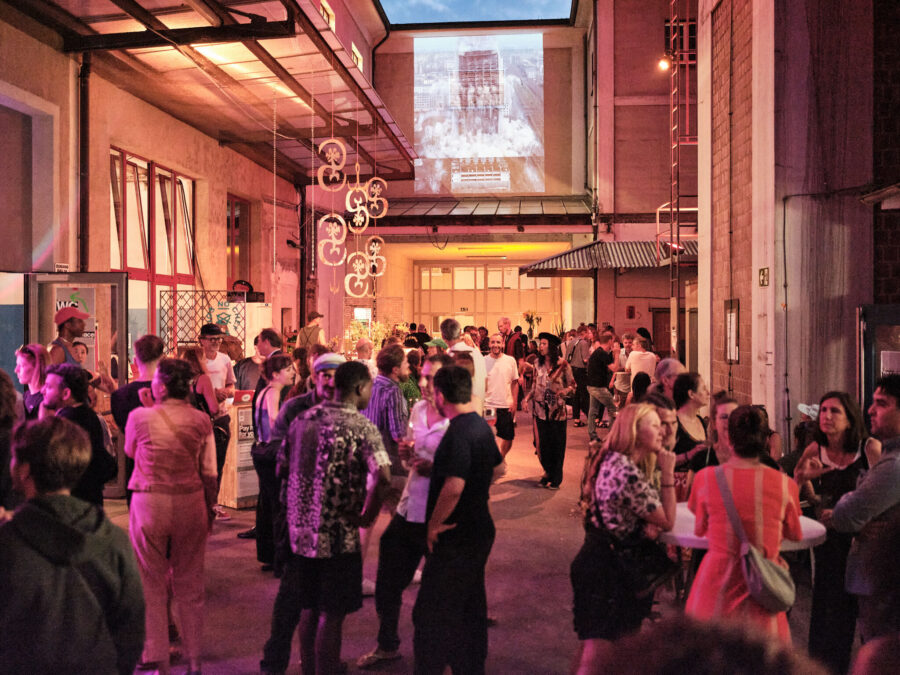
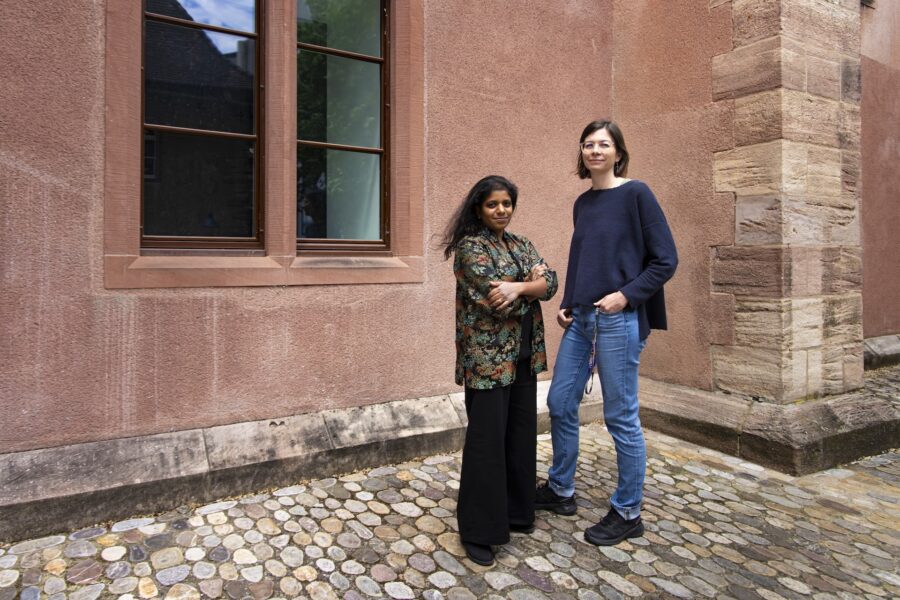
“The space found us.”
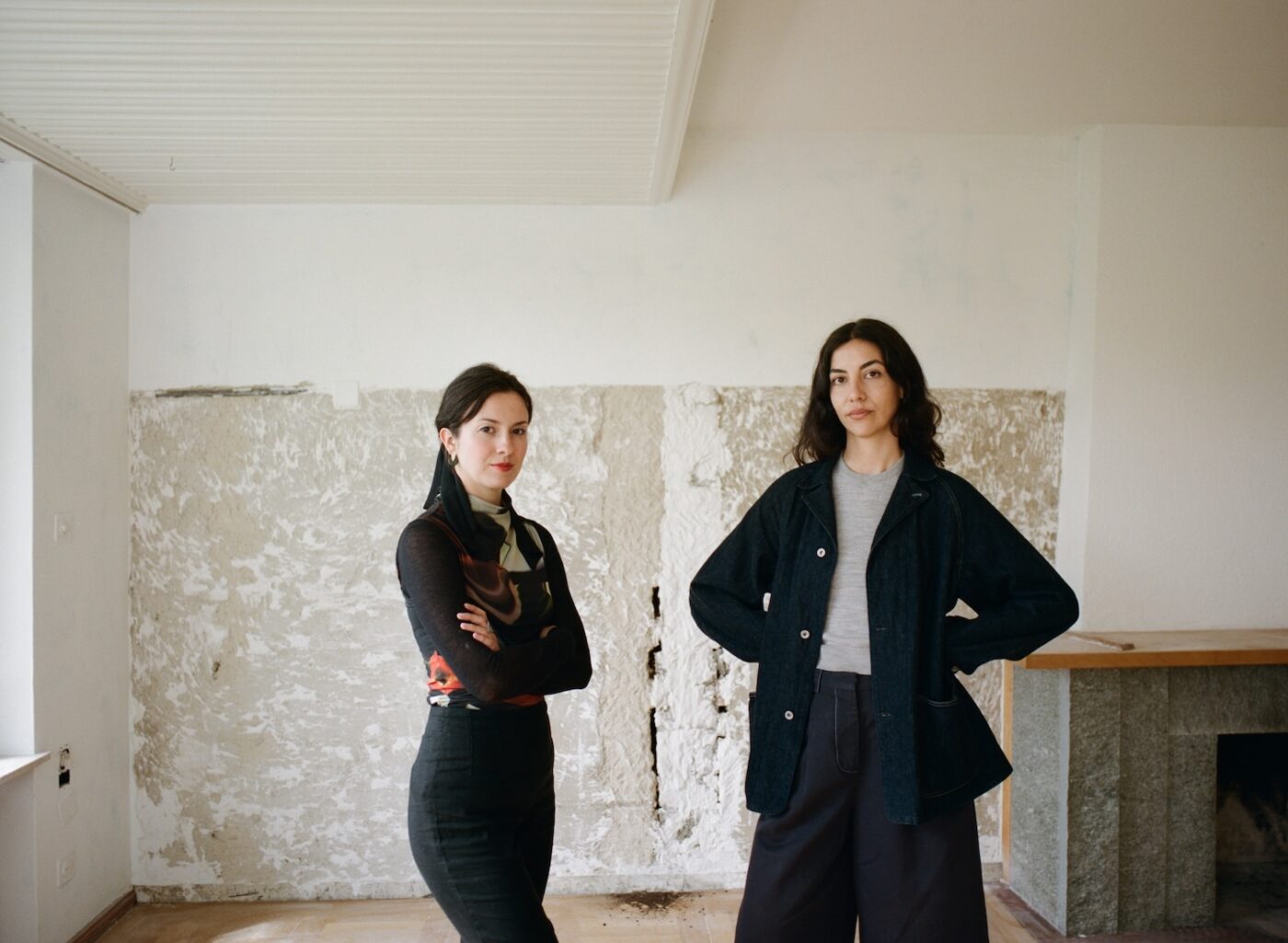
CienCień is an independent curatorial initiative founded by Wiktoria Tundys and Natalia Blanco Sierra. With their first project, After Hours – HAR, they take over a house soon to be demolished — a space that does not merely frame the exhibition, but becomes the project itself. In conversation, they speak about transcultural exchange, the power of collectivity, and how CienCień carves its own path in the interstices of Basel’s art world.
Wiktoria and Natalia, you have both been active in Basel’s art scene for some time. How did you meet, and how did the idea of founding CienCień come about?
We met during last year’s Art Basel. We were introduced through mutual friends who suggested we connect, as we were both thinking about creating something independently outside of existing formats.
From our first meeting, there was an immediate alignment in terms of interests and working methods. Rather than rushing into a project, we decided to meet regularly over a period of time to get to know each other better and to see where our visions overlap.
These informal weekly sessions became a space for exchange and reflection, from which the concept of CienCień gradually emerged. We began mapping shared interests and exploring how they could be brought together into a common framework, which shortly after started to take a more defined shape.
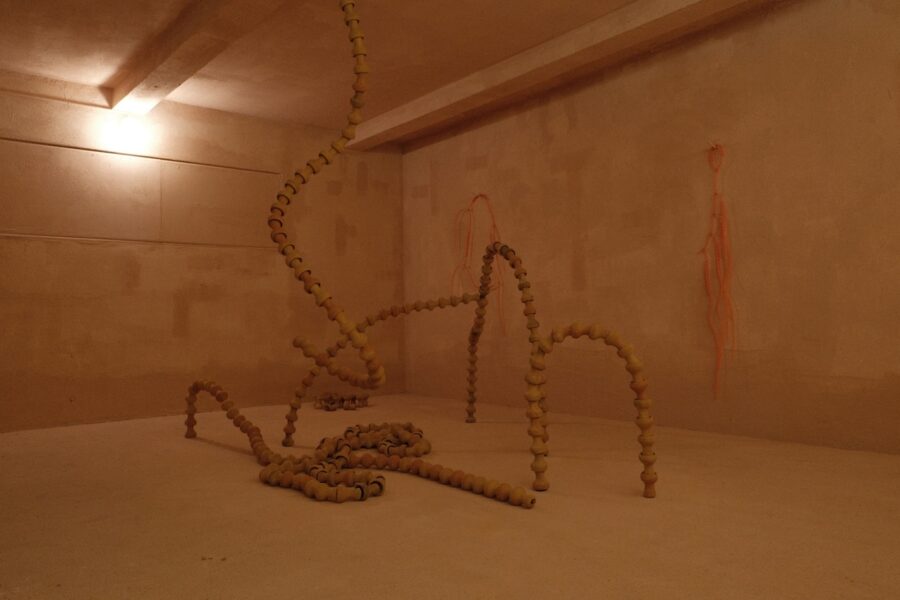
Basel already has a dense institutional art landscape. What kind of space or perspective did you feel was missing, and how does CienCień position itself within or alongside the existing scene?
We were interested in creating a framework that allows for more flexible and cross-disciplinary modes of cultural production. Often, existing structures tend to be clearly defined by categories, which can limit more fluid ways of working. We are interested in moving beyond these existing structures, opening up conditions for exchange where each context can be influenced by and benefit from the others.
CienCień’s ethos is grounded in transcultural dialogue and in exploring new relational geographies beyond established cultural centres. In particular, we aim to connect the Swiss context with artistic scenes in Spain and Poland that are less represented within institutional frameworks and international circulation.
CienCień’s first project, After Hours – HAR, takes place in a house that is soon to be demolished. How did you come about this venue / Why did you choose this location, and what does the space contribute to the exhibition?
The space actually found us. A group of artists had been given the opportunity to temporarily use the house for artistic purposes and invited us to develop a curatorial concept within it.
We immediately saw the potential to bring together several ideas we had been developing, such as temporary use, post-disciplinary production, community-based practice, and sustainability.
The exhibition is only one layer of the project. Everything that takes place within the house emerges directly from its architectural and social conditions. In this sense, the space itself becomes the project, and the exhibition and programme are outcomes of it rather than a separate framing.

The list of exhibiting and participating artists in After Hours – HAR is extensive, and you emphasise long-term collaborations. Are these artists part of an existing network, and what kind of aftermath or continuation do you hope the first exhibition will create? Where will your future projects take place?
Our relationships with artists and creatives exist across both professional and personal contexts. We value long-term collaborations and ongoing dialogue rather than one-off contributions.
Some of the participating creators we had already worked with, others we knew and invited specifically for this project, and new ones joined organically during the process as it evolved. With such a large group of participants, the project became an opportunity to form new relationships and extend existing networks in unexpected ways.
Although nothing was fixed in advance, the project developed through a strong sense of shared engagement. Many meaningful connections were formed through this process, and we hope these will continue to unfold in future contexts beyond this initial exhibition.
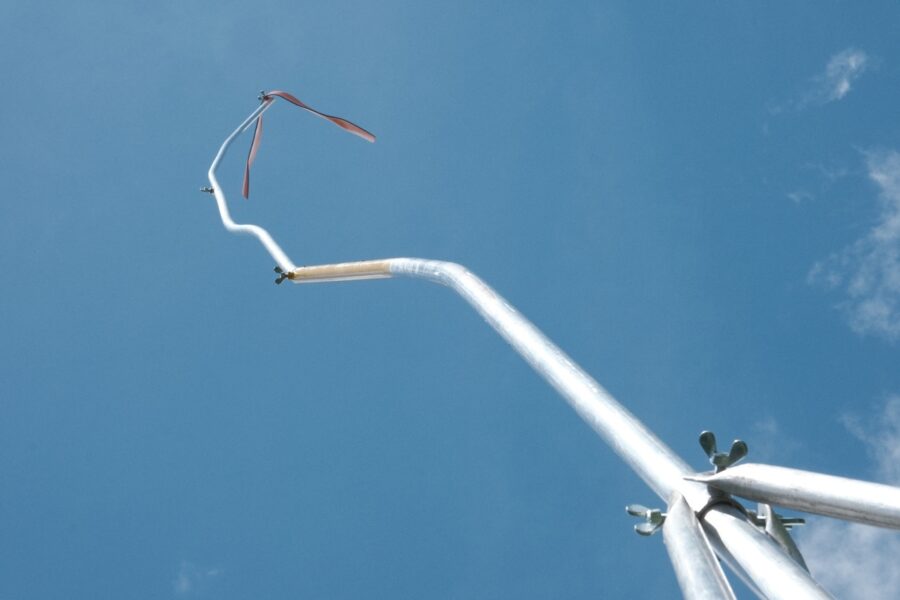
A performance programme is also part of the exhibition. What significance does ephemerality and the temporary hold within your practice?
We operate through a hybrid and nomadic approach, working with temporary and liminal spaces that allow for context-responsive programming.
Ephemerality is not just a condition of the format, but a method. It allows each initiative to grow directly from its environment rather than being shaped by normative structures. In this way, the project becomes embedded in its specific context.
Performance intensifies this sense of immediacy and presence. It creates situations that exist only in the moment of their enactment, activating the space in a direct and embodied way, and bringing audiences, artists, and context into a shared temporal experience.
We have invited several external and local creators, such as Daniela Fuentes, who will present a ritual performance adapted to the exhibition space and the gathering rooms of the house on the occasion of the Summer Solstice. A group of dancers under the choreographic direction of Zina Vaessen will present a performance in which the fabric of the human body will merge in a final narrative with the interior spaces of the house. Markus Aebersold will present a sound performance. Ahwō is a sound and light instrument that places the physical properties of water and air at its centre, in the changing room designed by the architectural team under the direction of Somin Yoo. We have also invited students from the Basel Academy of Music, who will perform an acoustic concert on medieval instruments in the garden. Everything revolves around a final narrative.
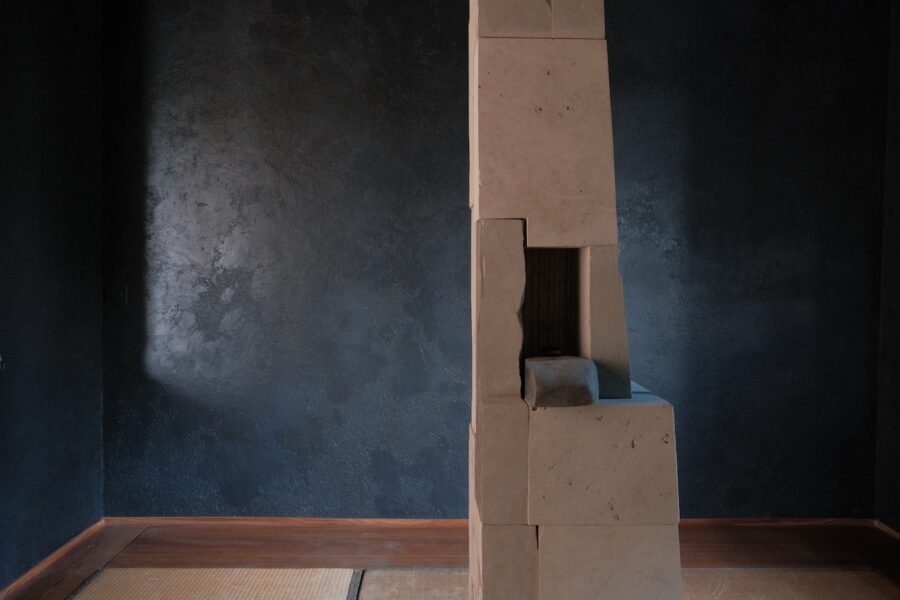
How important is community-building within your curatorial approach?
It is deeply important to us, and this project only reinforces that belief – that through collectivity, strong and distinctive creations and projects emerge. In an era so strongly marked by individualism, there is at the same time a great human need to build community, to find and mark one's place in the world. It is truly moving to witness how the artists, architects and creators involved in this project inspire one another, exchange ideas, and how their interdisciplinarity shapes the outcomes of their work. For us as a curatorial team, it is also an incredibly valuable experience to involve architects who share their knowledge with us, helping to refine and realise our visions.
Many independent art initiatives today operate under precarious conditions and with limited resources. What challenges do you encounter while building CienCień?
We recognise this situation as part of a broader reality within the whole cultural field.
Like many of the independent initiatives, CienCień emerged more from curiosity and motivation than from predefined structures, which naturally meant learning and adapting continuously along the way.
One of the main challenges has been navigating the uncertainty inherent in this kind of practice, balancing conceptual ambitions with very concrete logistical and financial realities.
At the same time, we are fortunate to be based in a city with many committed institutions that contribute to and support a vibrant artistic and cultural landscape. The trust and support we received from key institutions in Basel were essential at a moment when no resources had yet been secured.
Equally important has been the significant commitment of the artists and creators involved, many of whom joined from the beginning and invested their time and energy despite uncertain conditions. This collective effort also resonates with the title After Hours, referring to the labour, time, and dedication that often extend beyond official or visible working hours in cultural production. Altogether, this shared trust has been fundamental in shaping a generous and resilient network around CienCień.
///
Dates and opening hours: 5. – 26. June 2026, Friday - Sunday, 6 pm until late, and by appointment
During Art Basel, daily Mo-Su 6 pm- until late
Address: Eisenbahnweg 17, 4058 Basel
Program: www.ciencien.ch / www.instagram.com/_____ciencien/
Participants:
Markus Aebersold, Joana Amora, Sonia Andrews, Niculin Barandun, Franziska Baumgartner, Clément Bedel, David Berweger, Arnaud Bostelmann, Casa Antillón, Weiyu Chen, Mariejon de Jong-Buijs, Liese Demol, Oskar Emmrich, Franka Frankowska, Matthias Frey, Susi Hinz, Michèle Janata, Dominique Jehle, Adrien Jutard, Selina Koch, Lena Laguna Diel, Pierre Marmy, Adrià Martínez Maldonado, Thomas Martin, Jeannette Mehr, Łukasz Moroz, Amelia Mroczkowska, Anouk Neyens, Katrin Niedermeier, Joan Pallé, Timo Paris x Artstübli, Tomasz Pobiedziński, Kate Robinson, Luka Rumor, Daniel Ruprecht, andreasschneider, Aleksey Shchigalev, Leah Studinger & Raphael Reichert, St.Poz, Zina Vaessen, Vincent Wikström, Arthur Wilkens, Linda Wunderlin, Kaito Yamamoto-Ran, Somin Yoo, Jack Zhang